
Hazardous chemicals include flammable, explosive, toxic, corrosive, and reactive substances. Unlike ordinary warehouse goods, these materials require stricter storage conditions because improper storage may cause fire, chemical leakage, structural damage, or environmental hazards.
Storage racks used for hazardous chemical warehouses must be designed with safety as the priority. Material selection, surface treatment, load capacity, rack structure, and warehouse layout all play important roles in preventing accidents.
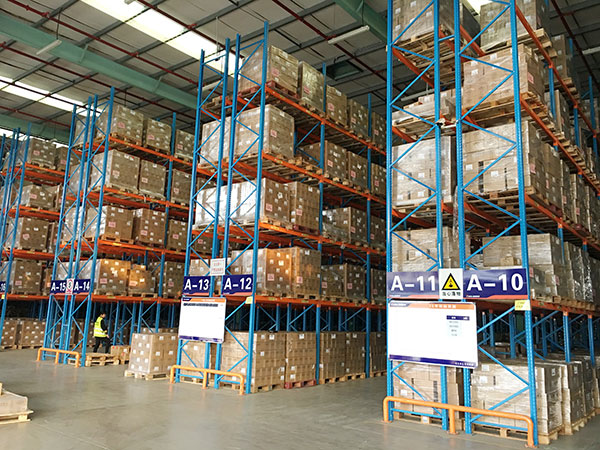
1. Fire-Resistant Materials Are Essential for Hazardous Chemical Storage Racks
Many hazardous chemicals are highly flammable or may generate combustible gases under certain conditions. Therefore, storage racks should avoid using combustible materials.
Steel storage racks are widely preferred because they provide:
- High fire resistance
- Strong structural stability
- Long service life
- Better performance under high-temperature conditions
For example, when using mezzanine floors or long span shelving systems in chemical warehouses, steel decking should replace traditional wooden panels to reduce fire risks.
Common suitable materials include:
- Cold-rolled steel
- Galvanized steel
- Powder-coated steel components
Wooden boards, plastic panels, and other combustible materials should generally be avoided in hazardous chemical storage areas unless specifically approved.
2. Corrosion Resistance Is Required for Chemical Storage Environments
Many hazardous chemicals contain acidic, alkaline, or oxidizing substances that may corrode metal components over time.
A corrosion-resistant storage rack should consider:
Raw Material Quality
High-quality steel with stable chemical properties provides better resistance against corrosion and structural degradation.
Surface Treatment
The rack surface treatment plays a critical role.
Common options include:
Powder Coating
Suitable for general indoor chemical storage environments. It provides:
- Smooth protective coating
- Resistance against moisture
- Improved appearance
Hot-Dip Galvanizing
Recommended for more aggressive environments.
Advantages:
- Strong corrosion protection
- Longer service life
- Better resistance to humidity and chemical exposure
For chemical storage warehouses, galvanized components are often preferred where exposure risks are higher.
3. Proper Load Capacity and Structural Stability
Hazardous chemicals often require specialized containers such as:
- Drums
- IBC tanks
- Chemical barrels
- Steel containers
These loads can be significantly heavier than standard warehouse goods.
Therefore, storage racks should be engineered according to:
- Maximum pallet load
- Chemical container weight
- Rack height
- Seismic requirements
- Forklift operation conditions
Overloaded racks may lead to:
- Beam deformation
- Column damage
- Rack collapse
- Chemical leakage accidents
Professional rack suppliers should provide load calculations and structural drawings before installation.
4. Chemical Storage Racks Need Appropriate Safety Accessories
A hazardous chemical storage rack is not only a frame structure. Safety accessories are equally important.
Common accessories include:
Wire Mesh Decking
Wire mesh decking improves:
- Load distribution
- Visibility of stored materials
- Fire sprinkler penetration
Compared with solid decking, wire mesh allows water from sprinkler systems to pass through more effectively.
Back Stops
Back stops help prevent chemical containers from falling from the rack, especially in high-density storage systems.
Rack Guards
Column protectors reduce damage caused by forklift impacts and improve warehouse safety.
Spill Containment Systems
For liquid chemicals, spill control systems can help reduce environmental risks caused by leakage.
5. Ventilation and Warehouse Layout Should Be Considered
Storage racks alone cannot guarantee chemical storage safety.
The entire warehouse system should consider:
- Proper aisle width
- Emergency access
- Ventilation requirements
- Fire sprinkler systems
- Chemical compatibility
- Separation distance between different chemicals
For example, incompatible chemicals should not be stored together even if the rack structure is safe.
6. Compliance With Safety Standards
When selecting hazardous chemical storage racks, companies should consider relevant regulations and industry standards.
Depending on the country and application, requirements may include:
- OSHA regulations in the United States
- NFPA standards for fire protection
- Local hazardous material storage regulations
- Warehouse rack design standards
A professional rack manufacturer should understand these requirements and provide solutions suitable for different markets.
7. Choosing the Right Storage Rack Type for Hazardous Chemicals
Different chemical storage requirements may require different rack systems.
Selective Pallet Racking
Suitable for warehouses requiring:
- Direct pallet access
- Flexible inventory management
- Forklift operation
Drive-In Racking
Suitable for high-density storage but requires careful consideration because limited accessibility may affect chemical segregation.
Long Span Shelving
Suitable for:
- Small chemical containers
- Maintenance supplies
- Laboratory-related storage
Steel shelving is recommended instead of wooden shelving in hazardous environments.
Mezzanine Floor Systems
Can increase warehouse space utilization, but materials and fire protection requirements must be carefully evaluated.
8. Regular Inspection and Maintenance Are Necessary
Even high-quality chemical storage racks require regular inspections.
Recommended inspection items include:
- Column damage
- Beam deformation
- Rust or corrosion
- Loose bolts
- Damaged safety accessories
- Load label visibility
Early detection of problems can prevent serious safety incidents.
Conclusion
Hazardous chemical storage racks require higher safety standards than conventional warehouse storage systems.
Fire-resistant materials, corrosion protection, proper load design, safety accessories, and compliance with regulations are essential factors when choosing a rack system.
Working with an experienced storage rack manufacturer can help companies design a safer and more reliable chemical storage solution based on their specific requirements.